


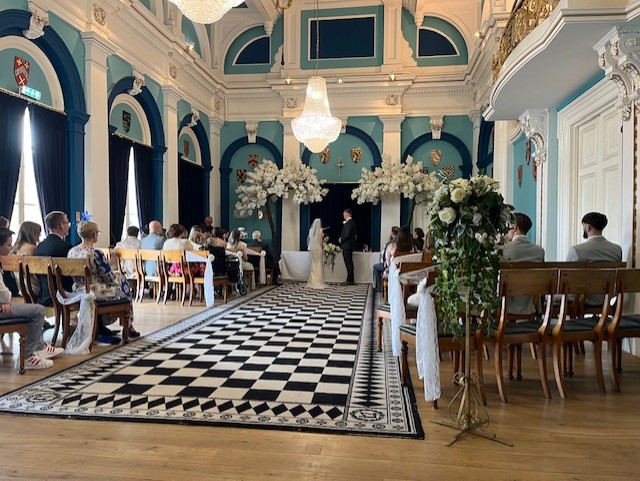
For most people, a wedding is one of life’s biggest milestones. It’s a day that celebrates love, commitment and the beginning of a shared future. Yet the laws governing weddings in England and Wales are rooted in legislation dating back more than 200 years, creating a system that many argue is no longer fit for modern society.
The UK Government has now launched a consultation on the biggest overhaul of weddings law in generations, with proposals designed to make getting married simpler, fairer and more reflective of today’s diverse society.
Why does the law need to change?
The current legal framework is often described as complicated, inconsistent and restrictive. Different rules apply depending on the type of ceremony and the beliefs of the couple.
For example:
- The Church of England, Church in Wales, Jewish and Quaker communities each have their own legal arrangements.
- Other religious groups must follow a different set of rules that may not reflect their traditions.
- Humanists and other non-religious belief organisations cannot currently conduct legally binding weddings.
- Civil ceremonies are governed by a separate legal framework with restrictions on where they can take place.
As a result, some couples have to hold both a legal ceremony and a separate religious or belief ceremony, while others discover that their marriage is not legally recognised. Many are unable to celebrate their wedding in a way that truly reflects their beliefs or values.
More choice, fewer barriers
One of the biggest aims of the proposed reforms is to give couples greater flexibility over how, where and by whom they are married.
Rather than focusing on approved buildings, the new system would place greater emphasis on the authorised officiant conducting the ceremony. This could open the door to weddings in a much wider range of locations, including gardens, beaches, forests and other meaningful venues, provided appropriate standards are met.
The proposals would also allow non-religious belief organisations, including Humanists, to conduct legally binding weddings for the first time.
Making weddings more affordable
Cost is another major factor driving reform.
With the average UK wedding now costing more than £20,000, many couples delay or choose not to marry at all. By reducing unnecessary legal requirements, allowing more venue options and removing the need for multiple ceremonies in some cases, the Government hopes the reforms will help lower costs and make marriage more accessible.
Protecting the importance of marriage
While the proposals offer greater freedom, they also place strong emphasis on protecting the integrity of marriage.
New safeguards would strengthen checks against forced, predatory and sham marriages through an updated notice process, mandatory in-person safeguarding interviews and improved oversight of officiants.
The Government also plans to introduce a clear legal framework to ensure every ceremony continues to reflect the seriousness and lifelong commitment that marriage represents.
What else is being proposed?
The consultation explores a range of wider reforms, including:
- A simpler two-stage notice process, with online administration followed by an in-person safeguarding interview.
- Clear legal responsibilities for all wedding officiants.
- New standards governing the dignity of ceremonies and wedding locations.
- The possibility of legally recognised weddings in private homes, on inland waterways and even aboard UK-registered cruise ships in international waters.
- Independent officiants who could conduct legally binding ceremonies outside religious organisations or local authorities.
What happens next?
The consultation builds on the Law Commission’s comprehensive 2022 review of weddings law and will help shape future legislation. Any changes would require parliamentary approval before becoming law.
If implemented, the reforms would represent the most significant changes to weddings law in over two centuries. The Government estimates they could increase the number of weddings by around 3%, generating almost £140 million in additional annual spending for the UK’s wedding industry while giving couples greater freedom to celebrate their marriage in a way that reflects who they are.
Ultimately, the goal is simple: to create a modern, fair and flexible legal framework that allows every couple to have a legally recognised wedding that is personal, meaningful and accessible—without compromising the significance of marriage itself.